Spring Cool-Coloured Flower Combinations

At SSB Garden Design we believe that the harmony of cool-coloured flowers are both dream-like and relaxing. Colours such as blue, mauve, lilac and pale pink appear more distant than they really are. White flowers also create the impression of coolness and combine well with plants with grey leaves such as a variety of sedums, hebes and irises. Add a hint of warmth to this colour scheme with dark purple flowers or reddish leaves which will enhance the effect of cooler pinks. Darker green foliage will add structure, density and substance to these combinations. Further definition can be added with the use of spiky flowers and leaves, as well as climbers and taller perennials. Light can also have a great effect upon cool colours. Lighter flowers and foliage may gleam in the shade or at dusk but fade in the midday and afternoon sun. Plant in drifts and blocks for a naturalistic design scheme.

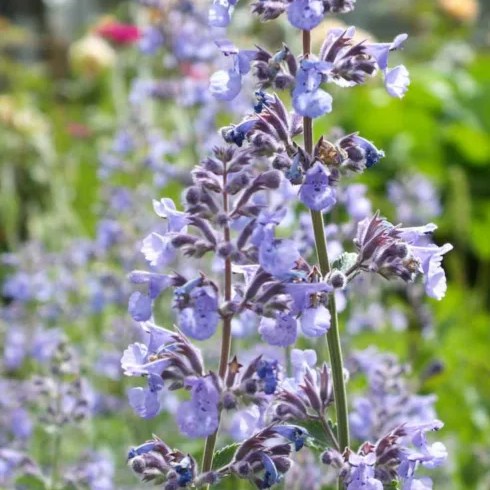
Polemonium caeruleum ssp. caeruleum f. album and Nepeta ‘Six Hills Giant’
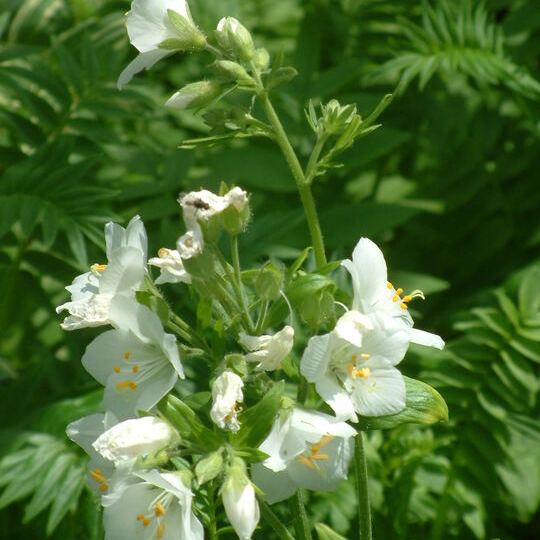
This combination of flowers are arranged with a similar effect therefore our eye is drawn towards the differences in the blue and white colouring. The flowers interlace together in a cool, fresh way creating a soft and informal appearance. They both produce attractive foliage. The dense clump forming stems and smaller mint-scented leaves of the nepeta counterbalance the less dense fern-like leaves of the polemonium. Aspect, sun/shade.

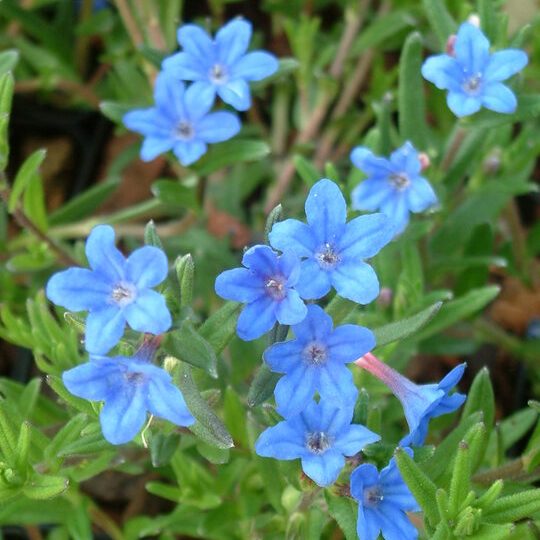
Hebe pinguifolia ‘Pagei’ and Glandora prostrata ‘Heavenly Blue’
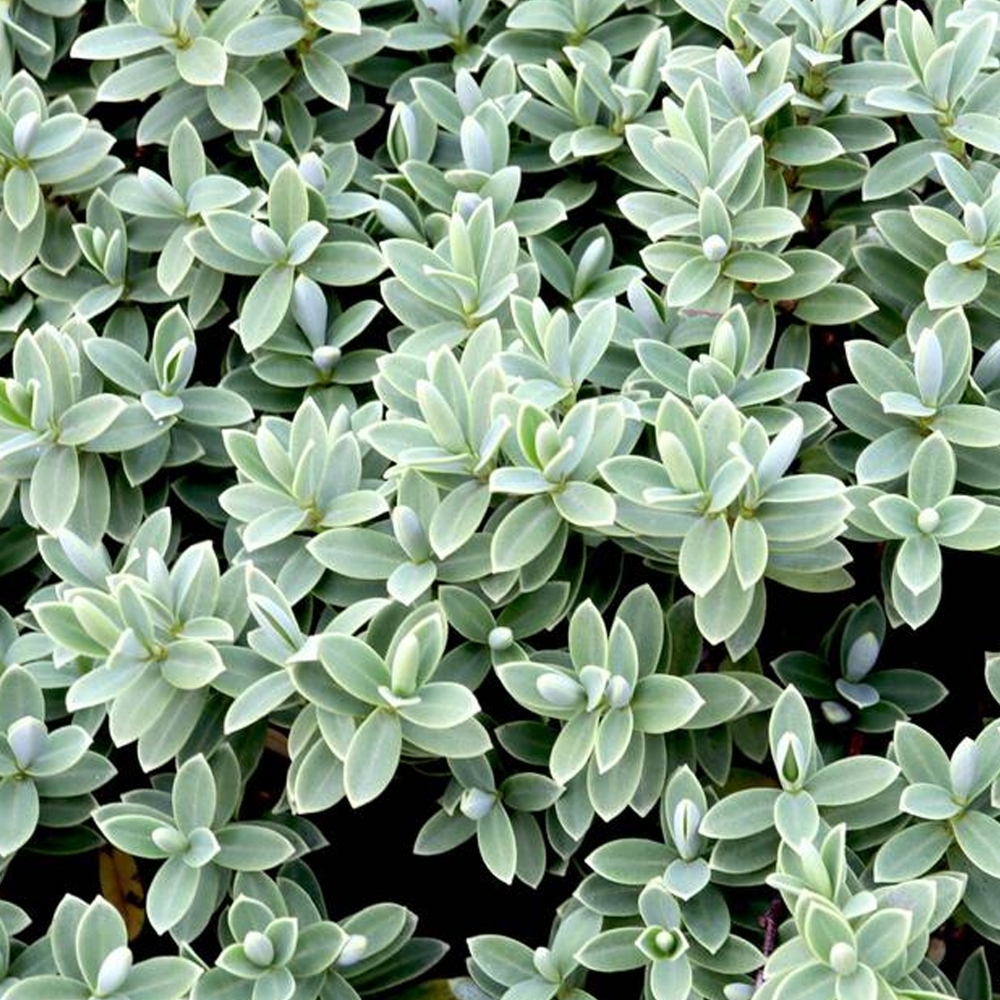
The crisp, clear blue flowers of the glandora with its deep green leaves combine well with the blue tinted fresh, defined shaped leaves of this popular variety of hebe. The hebe’s small but sharp spikes of white flowers add to the blue and white combination. Once the flowers fade, the structure of both shrubs will remain. Aspect, sun/shade.

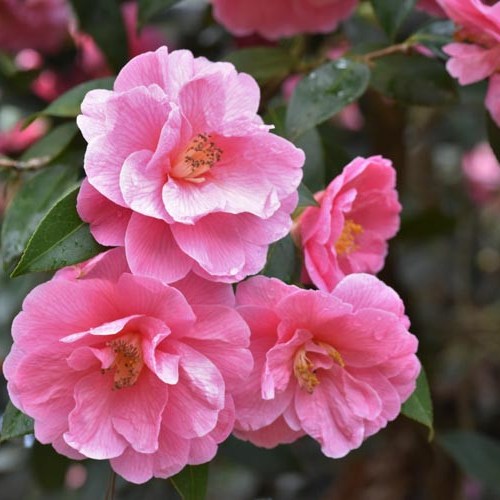
Brunnera macrophylla and Camellia x williamsii ‘Donation’
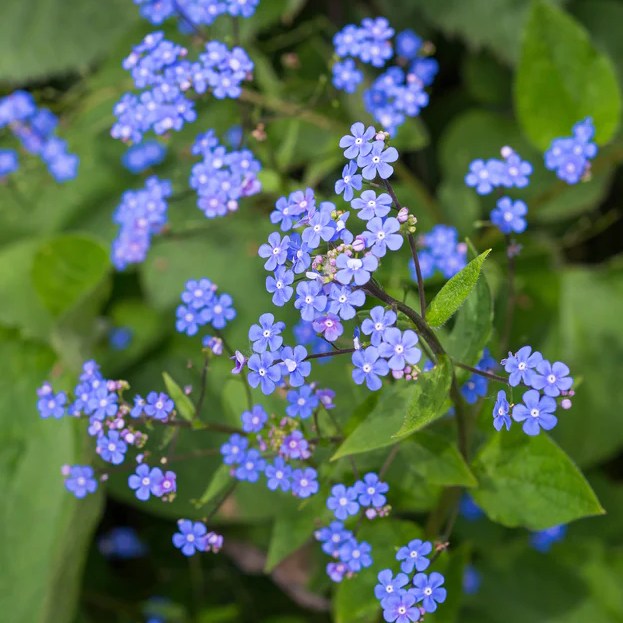
The flowers of the brunnera may be very small but the ice-blue colour complement the cool pink camellia flowers perfectly. Once the flowers have faded the brunnera’s larger clumps of rougher lighter leaves contrast with the darker, glossy and elegant foliage of the camellia. The brunnera’s leaves turn more coarse during the summer months but new leaves will appear if the plant is cut right back. Aspect, sun/shade.

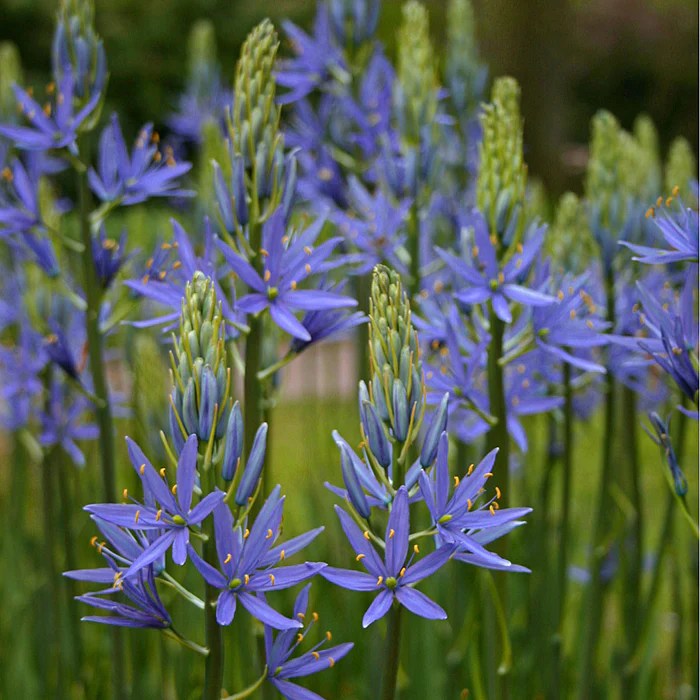
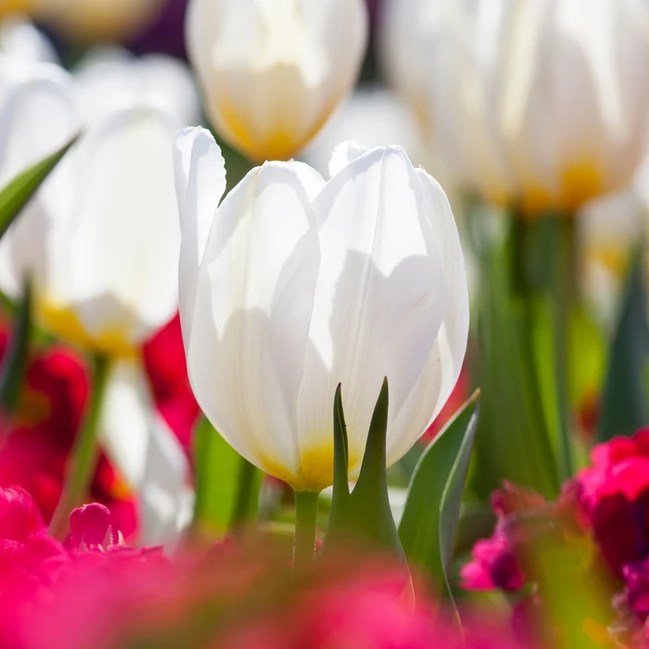
Prunus serrulata ‘Ichyo’, Camassia leichtlinii ‘Blue Danube’, Tulipa ‘Purissima’ and Tulipa ‘Cafe Noir’

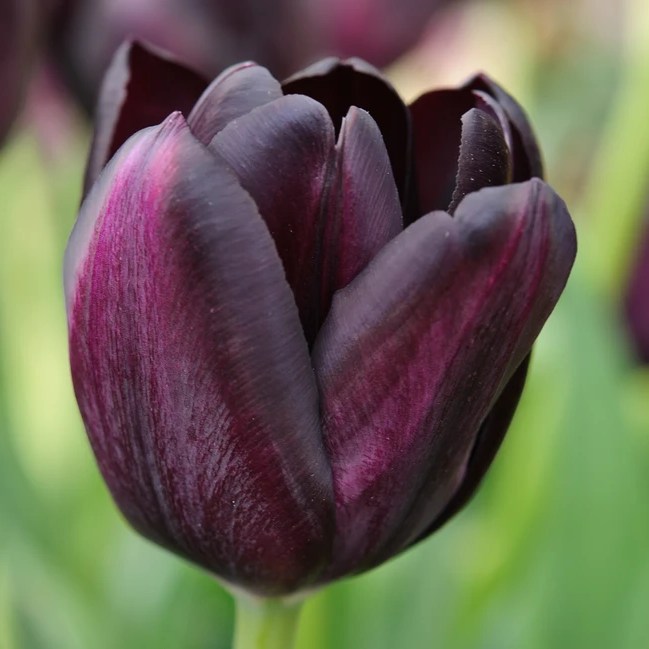
A breathtaking and dramatic cool-coloured scheme. This variety of prunus is a formidable specimen when its dusky pink buds open to a frothy profusion of pale pink flowers. As the flowers age, they lighten to near white. If you prefer an ornamental cherry tree with more restrained flowers, we recommend Prunus x yedoensis. We have added a blue camassia to this combination; a bulbous perennial with racemes of up to 80 lavender-blue, star shaped flowers which provide a long-lasting display in spring. If you prefer a white variety to add sparkle, we recommend C. leichtlinii ‘Alba’. The upright, leafy stems and rounded shape of the tulip flower add contrast to the camassia but reflect the contours of the prunus flowers above. Aspect, sun/shade.

For further planting and garden design advice and inspiration please do get in touch with us.

@ssbgardendesign

Garden Sculpture and Art

Garden and landscape designers have been playing with the relationship between art and nature for centuries, imitating nature so skilfully. In the contemporary garden, this process has been carried to a further level of elegance and sophistication. 

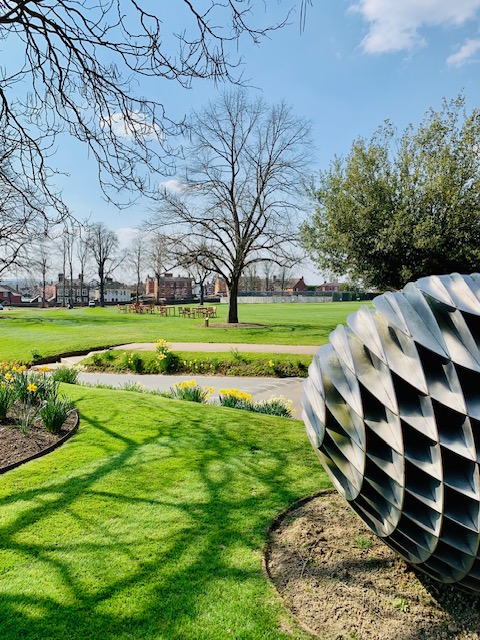
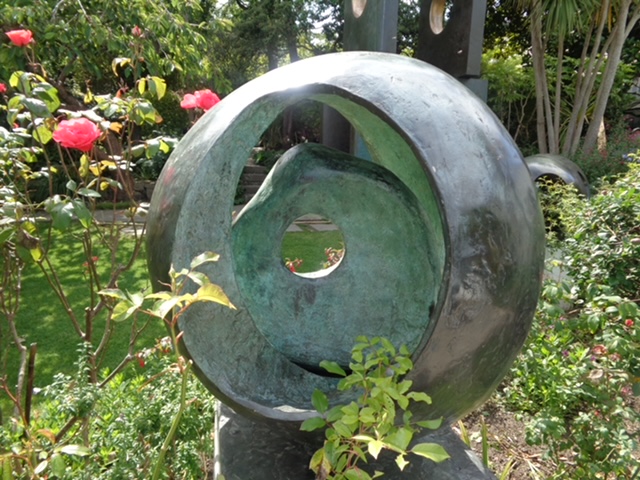
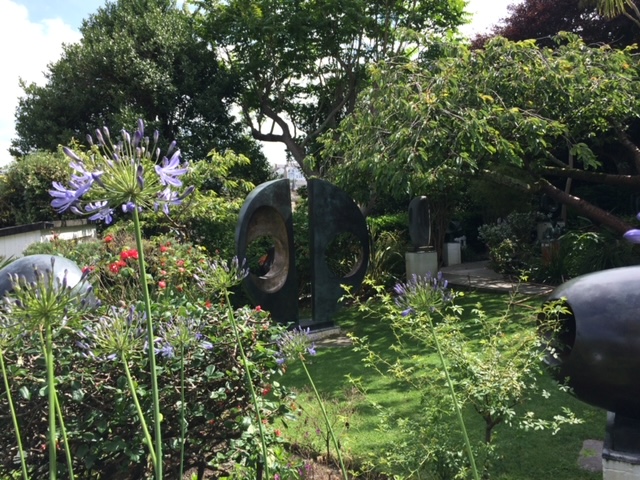
At SSB Garden Design we believe that sculpture and art are important components of a beautifully designed garden. It can include any object, perhaps a simple grouping of stones or pieces of wood that provide personal satisfaction or are of particular significance. We love to place a modern piece within a traditional, established garden or conversely a classical style figure, sundial, or astrolabe in a sophisticated, minimalist, contemporary garden. Placing your artwork in this way, may provide an element of surprise or humour and add something to spark the imagination, especially if placed in the middle of your border or within a hidden part of the garden. For a more obvious focal point, we usually place the form at the end of a pathway or at the junction of two pathways and we also consider the views of the piece from the rooms within your home. Abstract sculpture and art can offer different views from all angles and perspectives, as one is required to consider the view from a distance, the front and then as you walk around it. Smaller forms bring your focus closer into the garden and planting design while larger pieces act as the main focal point, drawing the eye to a wider area. 

Sculpture and art can also play a major part in the creation of a concept and theme of your garden. Rough cut, vertical limestone panels can create the atmosphere of a mountainside in mist, also stone and pebbles may be positioned in drifts to recreate a coastal theme. Columns are useful for creating a strong vertical outline, drawing the eye upwards, perhaps in place of a tree, or to hold up a roof structure. Sculpture and art come in a variety of materials such as limestone and concrete which are well suited for traditional or formal gardens while bronze, fibreglass, and metal offer more flexibility in terms of design. Metals will be the most durable as limestone and concrete will weather over time. COR-TEN steel, with its weathered, rust coloured effect is a popular choice of material at the moment. Old stone or wood columns can often be bought as salvage items and brought up to date when used in conjunction with metal or glass. Also, lengths of clear, white, or coloured perspex and even strengthened glass can be used and look wonderful with uplighting.

We provide expert lighting advice to add a different perspective to your form’s shape, colour and texture at night. The key to good lighting is to recognise that each outdoor sculpture is different and it can be a challenge to strike a balance between the amount of lighting required. The shape of the piece can cause awkward shadows and shiny metal can create an overpowering glare. Vertical sculpture may need to be lit from a distance to create a softer effect. The exciting use of additional fibre optic lighting within water can add movement and creates a reflective, witty, and synthetic imitation of the interplay between sunlight and water around your piece. Also, incorporating internal lighting within an artwork is a popular and stunning option. We will recommend qualified contractors to install all the lighting requirements in your garden.

At SSB Garden Design we choose plants to complement or contrast with the colour, texture, and size of your artwork. Smaller plants placed at a lower level around the form are better, as they will not obstruct the sculpture, plinth or particular backdrop. It is also important to think about seasonal interest and how the planting will coincide with the different views throughout the year. If positioned well, swaying branches and leaf dappled shadows will add movement and further beauty to your piece.

For further inspiration and advice on sourcing a piece of sculpture and art for your garden, please do get in touch with us.

@ssbgardendesign