
Our Garden Design Forum
Inspire. Create. Nurture.
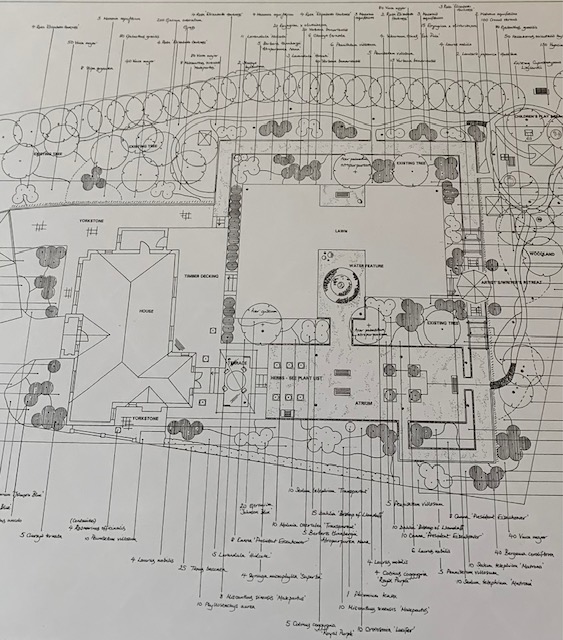
One of Our Latest Designs
Recent Posts
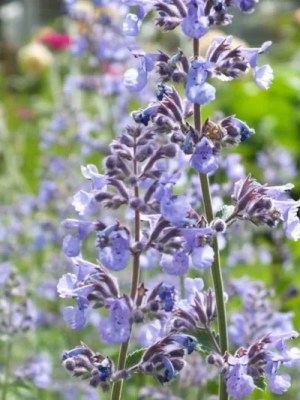
Spring Cool-Coloured Flower Combinations
At SSB Garden Design we believe that the harmony of cool-coloured flowers are both dream-like and relaxing. Colours such as blue, mauve, lilac and pale pink appear more distant than they really are. White flowers also create the impression of coolness and combine well with plants with grey leaves such as a variety of sedums,…

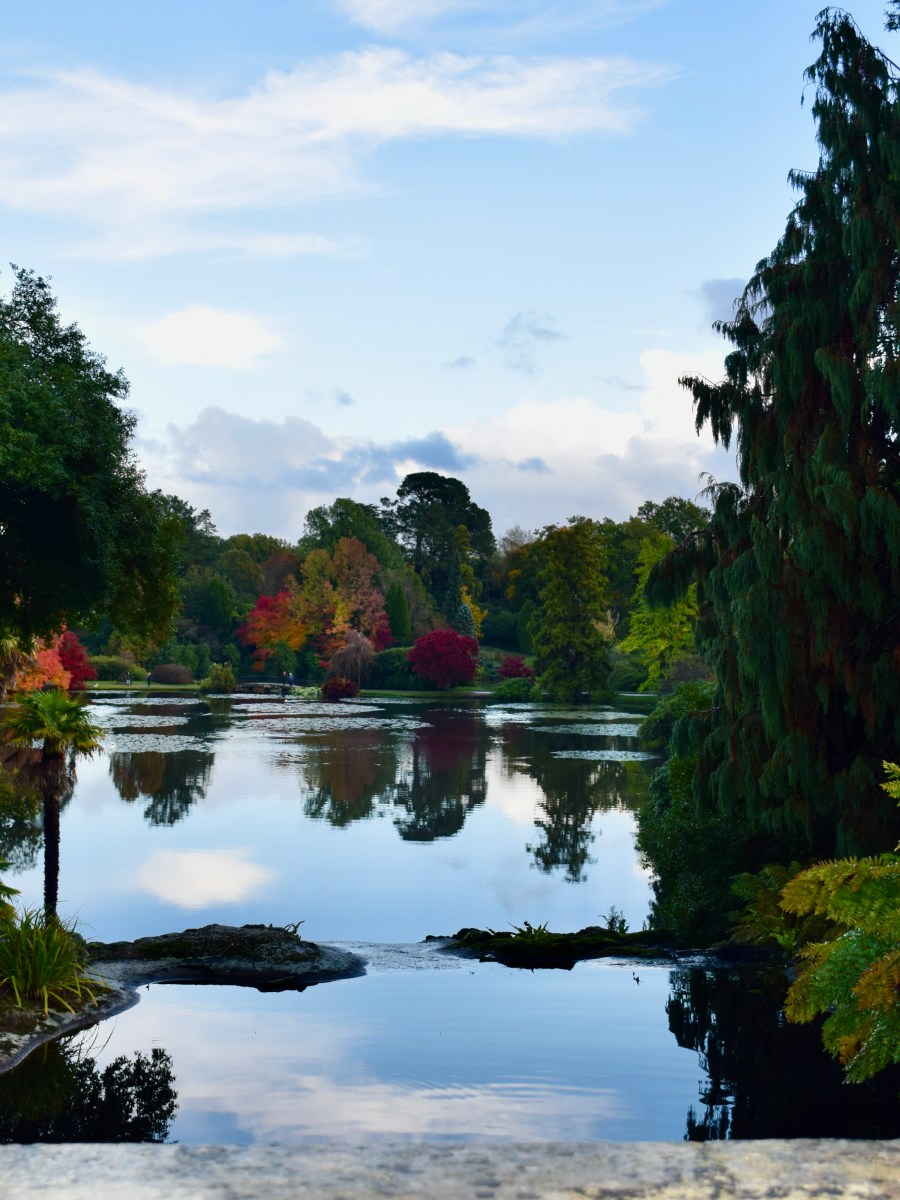
Late Autumn Colour
Colour in the landscape is a great pleasure, providing mood, atmosphere and is a clear indicator of the seasonal changes around us. At SSB Garden Design we carefully source plants and trees that combine well together to create harmonious, tranquil and dramatic effects. Hues are not constant and the rules of colour harmony are flexible;…
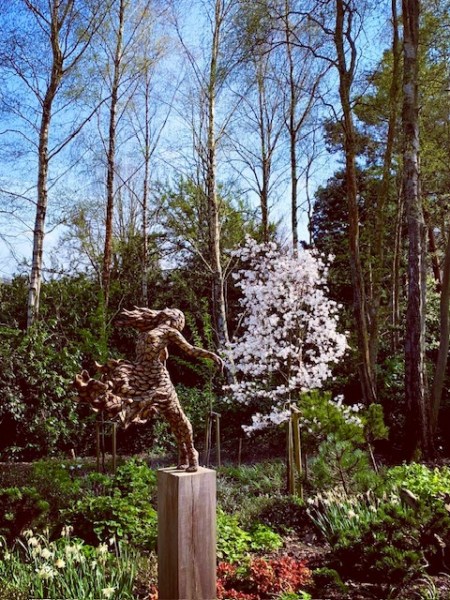
Garden Sculpture and Art
Garden and landscape designers have been playing with the relationship between art and nature for centuries, imitating nature so skilfully. In the contemporary garden, this process has been carried to a further level of elegance and sophistication. At SSB Garden Design we believe that sculpture and art are important components of a beautifully designed garden. It can include…
Recommended Reading
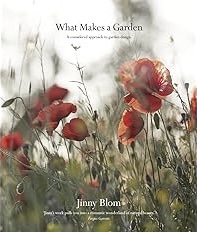


What Makes A Garden by Jinny Blom
Blom builds upon her previous work, The Thoughtful Gardener, providing a broader, multi-disciplinary approach which embraces architecture, conservation and art, with a strong holistic thread. A fascinating and insightful book, considering the sensory, alchemical, the passage of time and the influences of culture. This beautiful book is filled with warmth and character alongside her expert knowledge and functionality.
The Essential Tree Selection Guide by Henrik Sjoman and Arit Anderson
Trees play a vital role within our gardens and green spaces and are highly beneficial to human health and the wider environment. Trees are usually chosen for their ornamental value, but both authors suggest that more mature trees and species diversity are required to combat the damaging effects of climate change. This means careful selection for site and function to store carbon, slow down rainfall and to cool buildings. The A-Z guide selects over 500 trees for their resilience and other criteria that will contribute to the sustainability of our future gardens and landscapes.
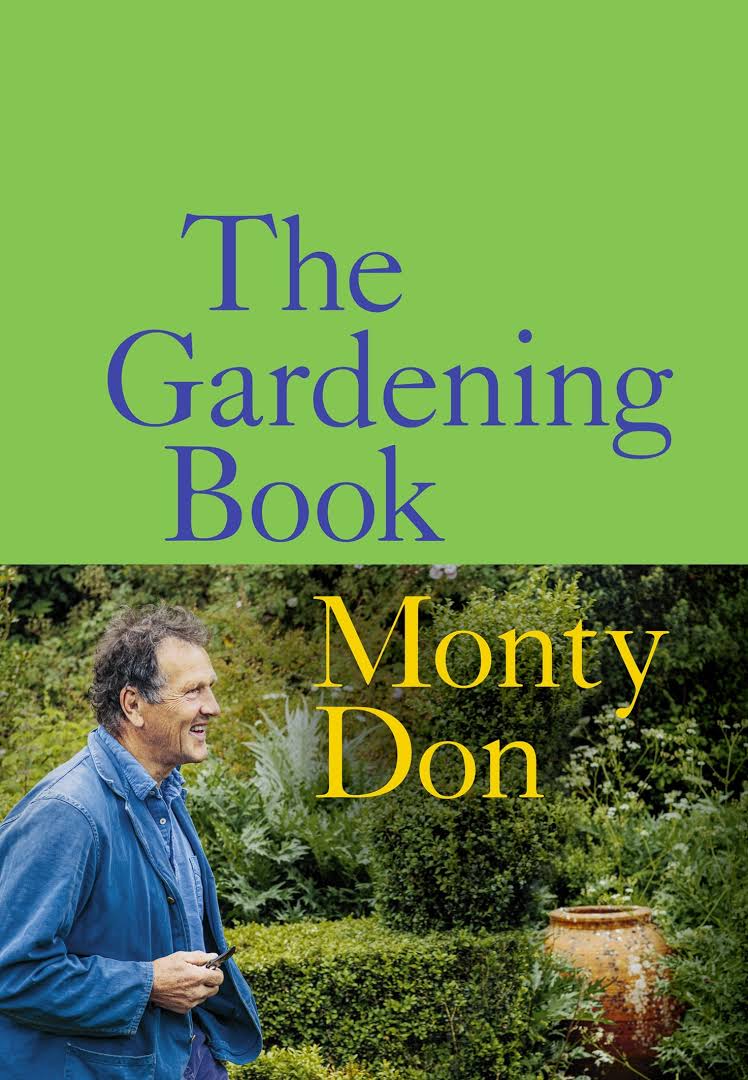
The Gardening Book by Monty Don
Our nation’s favourite gardener, Monty Don, provides a joyful and rewarding guide to gardening in a clear, concise format featuring over 100 popular flowers, foods, shrubs and houseplants. The step-by-step approach with photos, timings and methods helps you to build a garden which serves your needs and enhances your lifestyle.
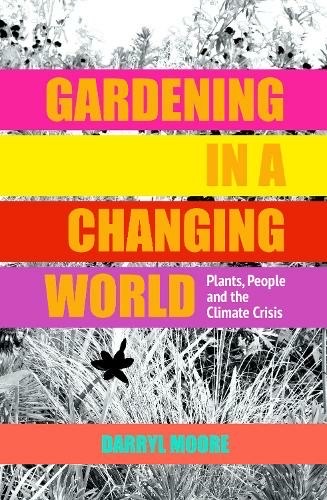
Gardening in a Changing World: Plants, People and the Climate Crisis by Darryl Moore.
Moore explores recent developments in horticulture, ecology and plant science, alongside traditional ecological knowledge and advances in the environmental humanities. The author highlights alternative approaches to how we can design, inhabit and enjoy our gardens and public green spaces to share with all species.
Wild: The Naturalistic Garden by Noel Kingsbury and Claire Takacs.
This is the first comprehensive overview of a new planting approach that is wild and natural by nature, reflecting the global turn towards sustainability and the current movement in garden design. The book features over 40 gardens around the world with stunning photography and insightful text.
Garden Design Trends 2025
- Green Living: A further shift towards the use of green practices and materials in our gardens such as sustainable construction materials, water saving systems, and the utilisation of renewable energy resources. There is an inclination towards the upcycling of furniture and accessories. Contemporary pieces and fixtures developed with innovative materials, like recycled plastics and fibres grown from fungi will increase in popularity.
- Harmonising with Nature: This encourages homeowners to weave in natural components, indoor flora and natural light into their living spaces to alleviate stress and to nurture wellbeing. Also, experimenting with edimentals and exploring naturalistic planting to improve soil health and biodiversity. Create a stumpery garden and rediscover the beauty and diversity of your outdoor space. Plant hostas, hellebores, ferns, and snowdrops which will encourage wildlife such as frogs, newts, beetles and other insects to reside within the wood. Combining a mix of native and non-native plants.
- Eco-Friendly Gardening: This concentrates on planting low maintenance, native and drought tolerant species with less reliance on harmful chemicals. Embracing and adapting to climate change by choosing the right plants and the right environment, such as creating a gravel garden or a bog garden.
- Nurturing Wellness and Emotional Health: Creating areas in the garden for relaxation, mindfulness and self-care.
- Adaptable Outdoor Spaces/Expansive Outdoor Spaces: The move to create functional outdoor spaces, operational kitchens, fire pits which act as a refuge for friends and family. Using mobile partitions, transformable furniture catering to fluid lifestyles. Create ‘Open air sitting rooms’ which provide a vital role in supporting biodiversity, forming green, rejuvenating havens with pollinator planting.
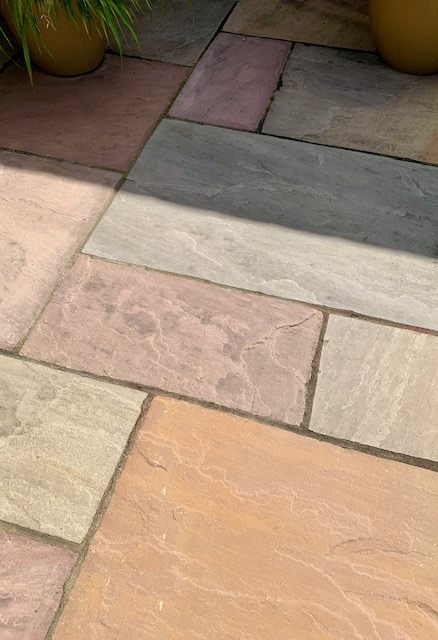
- Textured Hard Landscaping: These include characterful timber, riven stone, terracotta, ceramic or encaustic tiles while celebrating nature and traditional craftsmanship.
- Xeriscaping: focuses on creating landscapes that reduce or eliminate the need for irrigation. New plants will encourage sustainable, resilient, low maintenance gardening.
- Gardening in Sand: Plants grown in sand are sturdier and more resilient with longer tap roots allowing for better chances of winter survival. Grow achillea, salvia and verbascum. This allows for an alternative topography with different growing conditions for plant and insect species diversity.
- Warm, Comfortable Material Tones with Bold Planting: Embracing warm shades and heritage materials that create a sense of luxurious warmth; terracotta, rust, oatmeal, hazel and biscuit combine with the deep greens of plant foliage. Corten, bronze, and copper accessories will continue to be popular with black accessories and dark timber. Vintage style outdoor lighting is also gaining in popularity along with more unusual, antique or traditional furniture pieces that can be kept for longer. Planting schemes are layered, bold and joyful using rich tones of maroon, chartreuse, and burnt orange. Incorporate the softer colours of Geum ‘Mai Tai’ and Rose ‘Chandos Beauty’. Trending plants this year include, Agapanthus ‘Poppin’ Purple, Scabiosa ‘Magic’, Verbena bonariensis ‘Vanity’, Echinacea ‘Pretty Parasols’, and Prunus laurocerasus ‘Sofia’. Deeper shades and palettes will include Heuchera ‘Obsidian’, Ophiopogon planiscapus ‘Kokuryu’ and darker grasses. But most importantly, create an environment that really reflects you and the plants that you love.
The Visual Aesthetics of Hard Landscaping, Surfaces, Terraces and Steps
Good garden design is essentially about design being simple and fit for purpose. Great gardens display these basic qualities but in addition have the instinctive and subtle ability to link with the environment in which they are placed. At SSB Garden Design we can source with ease, a great variety of hard landscaping materials which are durable, sustainable and cost effective. We can help you to make the perfect choice for your outdoor space.
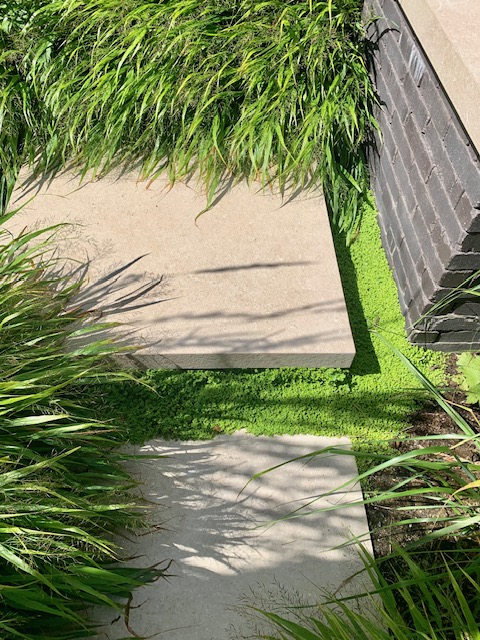
The surfaces within the garden are one of the most important elements, often acting as a framework to the entire composition. Hard surfacing can have several functions and a well laid surface will provide a textural and visual link with buildings and the soft elements in the garden. Hard landscaping serves as a practical purpose of getting from A to B, acts as a neutral backdrop and also as an area for entertaining. It is also a feature in its own right. We often add soft landscaping between paving to enhance the design effect.
Different paving designs can radically alter the look of a space. We can create a sense of the contemporary or traditional, the formal or informal. Static patterns hold the eye within the site, with the effect of dividing the space into rooms. Dynamic patterns create a sense of movement and visual pull; pathways of hard surfacing will lead the eye when threaded through lawns and planting. In a small garden, patterns of paving stones can also be used to create a visual pull towards a satisfying conclusion, such as a sculpture, water feature or seating area.
Simple paving patterns help make spaces appear larger, while elaborate patterns create a busy effect and may make a space appear smaller. We avoid using too many different types of surface in one scheme and aim to keep the design simple on the eye. Two surfaces used to compliment each other are just right, one balancing, the other softening. One surface may become the dominant partner with the second used as a framework or highlight.
Paving near the house has the additional function of setting off the building and therefore materials used need to be sympathetic with the house building material. At SSB Garden Design, we can create a bespoke landscaping design which will enrich both your house and garden. The construction of any hard surface should ensure safety, longevity, adequate drainage and sustainability which are just as important as the aesthetics of the design.
Other Design Considerations
Elements: Location, site and aspect, function, environment, style (national, urban, suburban or rural), climate, soil, shape and cost.
Properties: Form, texture, line, pattern and colour of stone in sunlight as well as during and after rainfall.
Principles: Harmony and contrast, balance, emphasis, sequence and scale.
Changes of Level
It is essential to appreciate the importance of changes in level on a site. Many gardens are made up of interconnecting areas of different levels. These areas need to be in proportion to each other, the house and other buildings. If your garden is on a steep, sloping site, it is important to provide plenty of drainage through the retaining walls and the terraces themselves. A slope is often exposed to wind, so provide plenty of shelter, especially if it faces east or north.
There are three basic ways of manipulating changes of level to your advantage:
- Follow natural lines contouring a new slope or bank in a realistic way.
- Use terracing where flat areas are connected by a flight of steps, banks or ramps. Steps linking changes of level can become a feature as well as a necessity and if generous enough can be a series of landings to encourage walks through the garden or for decoration and viewpoints.
- Create a more abrupt and dramatic change with a retaining wall which will hold back soil.
Here are a few paving samples (Corker UK) which are available in different sizes, colours and textures. Porcelain paving (TOP LEFT), clay pavers (BOTTOM) and sandstone paving (RIGHT).
We can provide you with further samples, hard landscaping downloads and brochures.

 SSB Garden Design